
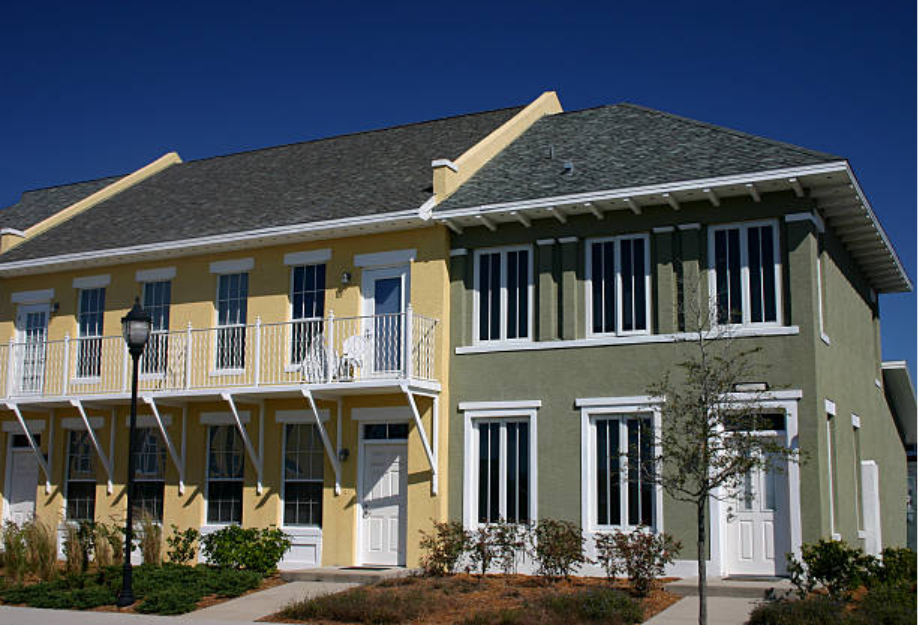
In Florida’s coastal regions, where hurricanes pose a significant threat, architects, engineers, and developers face the dual challenge of designing commercial properties that comply with the Building Owners and Managers Association (BOMA) standards while ensuring hurricane resilience. The state’s High-Velocity Hurricane Zones (HVHZ), strict building codes, and FEMA guidance demand a strategic approach to integrate BOMA-compliant measurements with hurricane-resistant design. This blog explores best practices for balancing these requirements, focusing on wind load areas, outdoor space inclusion, hurricane codes, and coastal risk management. For expert BOMA measurement services tailored to Florida’s unique needs, visit BOMA Floor Plans.
Understanding BOMA Standards in Coastal Contexts
BOMA International provides standardized methodologies for measuring rentable and usable space in commercial properties, widely adopted for their transparency and consistency (ANSI/BOMA Z65.1-2017 and 2024). These standards are critical for determining leasing values, particularly for coastal properties where outdoor amenities like balconies, patios, and terraces are highly valued. However, in Florida, where hurricanes are a recurring risk, BOMA calculations must align with stringent hurricane-resistant design requirements outlined in the Florida Building Code (FBC) and FEMA guidance.
The BOMA 2017 and 2024 Office Standards allow outdoor spaces such as balconies and finished rooftop terraces to be included in rentable square footage under specific conditions, enhancing property value. Yet, these spaces must also comply with FBC’s wind load and structural requirements, particularly in HVHZ areas like Miami-Dade and Broward Counties. BOMA Floor Plans offers professional measurement services to ensure compliance with both BOMA standards and local regulations.
Hurricane Resistant Design in Florida
Florida’s coastal regions are subject to the FBC, which was significantly strengthened after Hurricane Andrew in 1992. The FBC, updated in 2023, includes provisions for HVHZ areas to ensure buildings withstand extreme winds and flooding. Key hurricane-resistant design considerations include:
- Wind Load Requirements: The FBC references ASCE 7-22 for wind load calculations, requiring structures in HVHZ areas to withstand wind gusts up to 180 mph. For example, vertical pressures on solid surfaces like balcony railings are increased by 20–27% to account for hurricane-force winds.
- Impact-Resistant Materials: In Wind-Borne Debris Regions (WBDR), such as areas within one mile of the coastal mean high-water line, windows, doors, and balcony enclosures must pass missile impact testing to prevent debris penetration.
- Elevated Structures: FEMA’s Base Flood Elevation (BFE) requirements mandate that buildings in flood-prone zones be elevated to reduce storm surge damage. Additional freeboard (1–3 feet above BFE) enhances resilience and may lower insurance premiums.
- Operable Louvers: In HVHZ areas, balconies with louvers must lock in a vertical open position during winds exceeding 75 mph to minimize wind resistance, as per FBC and National Weather Service guidelines.
These regulations ensure safety but complicate the inclusion of outdoor spaces in BOMA calculations, as usability may be limited during hurricane season.
Integrating BOMA with Hurricane-Resilient Design
To successfully integrate BOMA standards with hurricane-resistant design, architects, engineers, and developers must consider both measurement accuracy and structural integrity. Here’s how to achieve this balance:
1. BOMA-Compliant Outdoor Space Inclusion
BOMA 2017 and 2024 Office Standards allow outdoor amenities to be included in rentable calculations under specific conditions:
- Exclusive-Use Spaces: Balconies or patios designated for a single tenant’s use are included in their rentable square footage without a load factor. For example, a private balcony off an office suite is measured as part of the tenant’s space.
- Shared Amenities: Rooftop terraces or shared balconies are classified as Building Amenity Areas or Inter-Building Service Areas, with square footage allocated proportionally via the load factor. BOMA 2024 ensures these spaces are disclosed separately for transparency.
- Ground-Level Patios: BOMA 2024 expands on 2017 by including both covered and uncovered ground-level patios in rentable calculations if they are tenant amenities and not publicly accessible, increasing potential revenue for coastal properties.
To ensure accurate measurements, work with professionals like BOMA Floor Plans, who specialize in BOMA-compliant calculations for Florida properties.
2. Designing for Wind Loads
Wind load areas, as defined by ASCE 7-22 and the FBC, are critical in coastal Florida. Buildings must be engineered for wind speeds ranging from 110 mph inland to over 180 mph in HVHZ areas. Best practices include:
- Structural Anchoring: Use hurricane straps and clips to secure roof-to-wall and wall-to-foundation connections, creating a continuous load path to resist wind uplift.
- Aerodynamic Features: Hip roofs, which perform better under lateral wind pressure, are preferred over gabled roofs. Minimize overhangs to reduce wind uplift risks.
- Reinforced Materials: Use concrete, insulated concrete forms (ICF), or steel framing for balconies and terraces to meet HVHZ wind load requirements. These materials enhance durability and safety.
3. Incorporating FEMA Guidance
FEMA’s Building Science Branch provides technical guidance for hurricane-resistant design, emphasizing multi-hazard approaches. Key recommendations include:
- Flood Mitigation: Elevate structures above BFE and incorporate breakaway walls in ground-level areas to minimize flood damage. FEMA P-55 (2011) offers comprehensive guidance for coastal construction.
- Wind-Resistant Openings: Install impact-resistant windows and doors that meet FBC and ASCE 24 standards to protect against debris and wind pressure.
- Foundation Design: Use deep concrete pilings or ground anchors to stabilize structures in flood-prone coastal areas, as tested in FEMA P-85.
By aligning with FEMA guidance, developers can enhance building resilience while ensuring BOMA-compliant measurements remain accurate. For expert guidance tailored to your project, contact us today.
4. Addressing Coastal Risks
Coastal properties face unique risks, including storm surge, erosion, and salty air corrosion. To mitigate these:
- Site Selection: Avoid flood-prone areas by consulting FEMA flood maps. Elevate structures to reduce surge risks, as demonstrated by post-Hurricane Ian assessments showing minimal damage to elevated buildings.
- Material Selection: Use corrosion-resistant materials like stainless steel or treated concrete for outdoor amenities to withstand Florida’s humid, salty environment.
- Maintenance Plans: Regular inspections of balconies and terraces ensure compliance with FBC and maintain their value as BOMA-measurable spaces.
Best Practices for Architects, Engineers, and Developers
To successfully integrate BOMA standards with hurricane-resistant design, consider these actionable steps:
- Collaborate with BOMA Experts: Engage firms like BOMA Floor Plans to ensure accurate measurements of outdoor spaces, avoiding disputes with tenants over rentable square footage.
- Incorporate Resilient Design Early: Work with structural engineers to design balconies and terraces that meet HVHZ wind load requirements while qualifying as rentable under BOMA standards.
- Leverage FEMA Resources: Use FEMA’s Building Science publications, such as P-55 and P-85, to inform multi-hazard design strategies that enhance resilience without compromising BOMA compliance.
- Negotiate Flexible Leases: In coastal markets, tenants may request lower rates for outdoor spaces due to seasonal usability issues. Use BOMA 2024’s flexibility to exclude or discount balconies in lease calculations.
- Document Compliance: Maintain detailed records of BOMA measurements and FBC compliance to streamline leasing and permitting processes. BOMA Floor Plans can provide certified documentation for both.
Conclusion
Designing coastal commercial properties in Florida requires a careful balance of BOMA-compliant measurements and hurricane-resistant strategies. By integrating BOMA 2017 and 2024 standards with FBC’s wind load requirements, FEMA guidance, and coastal risk management, architects, engineers, and developers can create resilient, valuable properties that maximize rentable square footage. Partnering with experts like BOMA Floor Plans ensures accurate measurements and compliance, paving the way for successful projects in Florida’s challenging coastal environment. Start planning your hurricane-resilient, BOMA-compliant property today!
FAQs
Can balconies be included in BOMA calculations for coastal properties?
Yes, under BOMA 2017 and 2024 Office Standards, exclusive-use balconies are included in a tenant’s rentable square footage, while shared balconies are allocated via the load factor as Building Amenity Areas.
How do hurricane codes affect BOMA measurements in Florida?
Hurricane codes, like the FBC’s HVHZ requirements, don’t directly alter BOMA measurements but impact balcony and patio design, requiring wind-resistant materials and operable louvers, which may affect tenant usability and lease terms.
What wind loads must coastal properties withstand?
In HVHZ areas, buildings must be designed for wind gusts up to 180 mph, as per ASCE 7-22 and the FBC. Balconies and terraces require reinforced materials to meet these standards.
How does FEMA guidance support hurricane-resistant design?
FEMA’s Building Science publications, like P-55 and P-85, provide multi-hazard design strategies, including elevation above BFE, impact-resistant openings, and robust foundations, ensuring resilience in coastal areas.
Are ground-level patios included in BOMA calculations?
BOMA 2024 includes both covered and uncovered ground-level patios in rentable calculations if they are tenant amenities and not publicly accessible, unlike BOMA 2017’s requirement for coverage.
How can developers ensure BOMA and FBC compliance?
Engage professional measurement firms like BOMA Floor Plans to verify BOMA-compliant calculations and work with engineers to meet FBC’s wind load and structural requirements.