
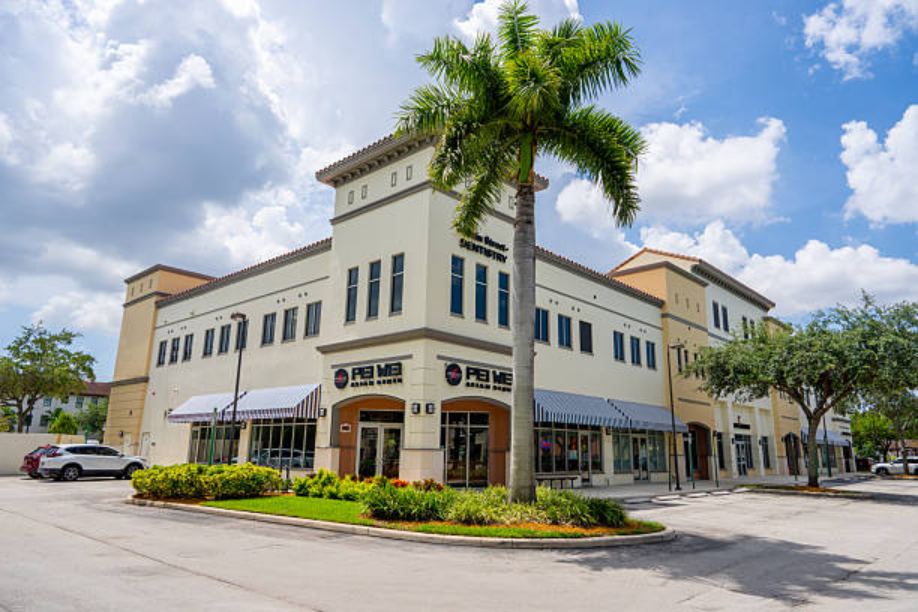
When it comes to commercial real estate, accurate space measurement is more than a technical detail it’s a cornerstone of asset value, lease calculations, and tenant relationships. In Florida’s rapidly evolving property market, understanding BOMA standards (Building Owners and Managers Association) is essential for developers, surveyors, architects, and property managers dealing with industrial, retail, and mixed-use assets.
In this guide, we’ll explore how BOMA area measurement methods apply to different asset types across Florida, how they affect rentable and usable space, and why local compliance matters especially for properties spanning multiple uses and zoning designations.
What Is BOMA and Why It Matters in Florida Real Estate
The BOMA sets international standards for measuring and classifying floor areas in commercial properties. BOMA’s area measurement standards ensure a consistent and transparent method for defining rentable and usable areas across all types of buildings.
In Florida from Tampa Bay to Miami-Dade, Orlando, and Jacksonville commercial properties must adhere to precise measurement practices to support:
- Lease negotiations
- Fair rent assessments
- Accurate tax valuations
- Transparent owner-tenant relationships
Incorrect or inconsistent measurement can lead to revenue loss, disputes, and compliance issues. That’s why many Florida developers and property managers rely on certified BOMA professionals such as BOMA Floor Plans, who specialize in accurate, Florida-specific area calculations and CAD-based documentation.
Understanding BOMA Standards for Different Property Types
BOMA has developed distinct measurement standards for each major asset class. Let’s look at how these apply to industrial, retail, and mixed-use spaces commonly found across Florida’s diverse commercial properties.
1. BOMA Standard for Industrial Buildings
Industrial spaces including warehouses, distribution centers, and manufacturing facilities use the BOMA Industrial Standard, also known as ANSI/BOMA Z65.2.
Key Concepts for Florida Industrial Properties:
- Occupant Area: The total area enclosed by walls that a tenant occupies. This includes production, office, and storage areas.
- Total Rentable Area (TRA): Includes the occupant area plus a proportionate share of common areas such as corridors, restrooms, or mechanical rooms.
- Exclusions: Loading docks, open storage yards, and exterior canopies are typically excluded unless specifically enclosed or conditioned.
Florida Considerations:
- Many Florida industrial parks integrate office components within warehouse shells. BOMA allows these office build-outs to be measured separately under the Office Standard (BOMA 2017) for hybrid use.
- Local property managers often apply “R/U Ratios” (Rentable-to-Usable ratios) to standardize rent across multiple tenants.
For detailed measurement and CAD floor plan verification, BOMA Floor Plans offers BOMA-certified area reports to ensure your industrial spaces are compliant and ready for lease negotiations.
2. BOMA Standard for Retail Buildings (ANSI/BOMA Z65.5)
Florida’s retail market — from Miami’s luxury corridors to Orlando’s mixed-use centers — relies heavily on BOMA’s Retail Standard (Z65.5) for defining Gross Leasable Area (GLA).
Why It Matters in Florida:
- Retail leases in Florida often rely on GLA-based rent, such as $ per square foot. Even minor measurement discrepancies can impact rent rolls, percentage rent calculations, and CAM charges.
- Florida’s climate also affects design — think open-air promenades and covered arcades. These must be measured according to dominant portion rules to ensure alignment with BOMA definitions.
Tip: Partnering with experts like BOMA Floor Plans helps developers and retail landlords maintain consistency across multiple retail tenants and centers.
3. BOMA Standard for Mixed-Use Properties (ANSI/BOMA Z65.6)
Mixed-use properties — blending retail, office, and residential components — are flourishing across Florida’s urban and coastal regions. The BOMA Mixed-Use Standard (Z65.6) helps unify measurement rules across these varying occupancies.
How BOMA Defines Mixed-Use Measurement:
- Each component (office, retail, industrial, or residential) is measured under its respective standard.
- Common spaces serving multiple components — such as lobbies, mechanical rooms, or shared parking — are allocated proportionally across components.
- Transparency is key: BOMA provides detailed guidance for stacked, horizontal, and campus-style mixed-use configurations.
Florida Applications:
- Cities like Fort Lauderdale, Tampa, and West Palm Beach feature vertically stacked mixed-use towers.
- BOMA Mixed-Use ensures that tenants pay only for the areas they benefit from, avoiding disputes between residential, retail, and office users.
BOMA Floor Plans assists mixed-use developers by preparing multi-standard floor area documentation, ensuring compliance across zoning and lease divisions.
Why BOMA Compliance Is Essential for Florida Developers and Managers
Florida’s commercial real estate market is competitive and compliance driven. Here’s why understanding and implementing BOMA standards is vital:
- Transparency: Creates consistency between landlords, tenants, and investors.
- Accuracy: Ensures lease areas are measured uniformly across assets.
- Valuation: Directly impacts appraisals, sale prices, and tax assessments.
- Legal Protection: Reduces risk of tenant disputes and misrepresentation.
- Operational Efficiency: Simplifies asset management, leasing, and space planning.
Whether you manage a Tampa warehouse, a Miami retail plaza, or a Jacksonville mixed-use development, having certified BOMA plans ensures every square foot is justified and rentable.
How BOMA Floor Plans Supports Florida’s Commercial Market
BOMA Floor Plans specializes in professional area measurement and CAD documentation that meets BOMA and ANSI standards. Their services include:
- BOMA-compliant industrial, retail, and mixed-use area certification
- Detailed AutoCAD and PDF deliverables
- Usable vs. rentable area reports for property managers and brokers
- R/U ratio calculation for multi-tenant buildings
- Integration with property management systems and leasing software
Their experienced team ensures compliance across Florida’s unique architectural, zoning, and climate conditions, providing a reliable foundation for lease agreements, valuations, and renovations
Steps to Implement BOMA Measurement in Your Florida Property
- Audit Existing Plans: Review architectural drawings and lease documents for inconsistencies.
- Engage Certified Professionals: Hire a BOMA Floor Plans specialist to perform on-site verification and CAD updates.
- Apply Correct Standard: Choose the standard that matches your building type (Industrial, Retail, or Mixed-Use).
- Generate Certified Reports: Obtain an official BOMA area certificate with rentable and usable breakdowns.
- Maintain Updates: Re-certify measurements after renovations or tenant fit-outs.
With professional assistance, you’ll maintain BOMA accuracy and compliance — critical for Florida’s evolving CRE landscape.
Final Thoughts
Whether you’re managing a multi-tenant industrial park, leasing space in a Florida shopping center, or developing a mixed-use coastal tower, BOMA standards are your blueprint for accurate, fair, and transparent area reporting.
Partnering with experts like BOMA Floor Plans ensures that your Florida properties meet every measurement standard — protecting your investment, maximizing rentable value, and maintaining professional credibility across the state’s dynamic real estate market.
Frequently Asked Questions (FAQs)
1. What does BOMA compliance mean for property managers in Florida?
BOMA compliance ensures your property’s leasable areas are measured using recognized standards.
2. How often should BOMA measurements be updated?
Whenever a building undergoes renovations, space reconfiguration, or tenant turnover, it’s recommended to re-certify BOMA measurements to reflect accurate leasable areas.
3. Are BOMA standards legally required in Florida?
While not mandated by law, BOMA standards are the industry norm for commercial leases.
4. How does BOMA handle Florida’s open-air and semi-conditioned retail areas?
BOMA’s dominant portion rule helps classify open or semi-enclosed spaces according to the physical boundary most aligned with tenant use — crucial for Florida’s climate-adapted retail centers.